
Branding & Awareness
Geofencing and Display Ads Across Los Angeles
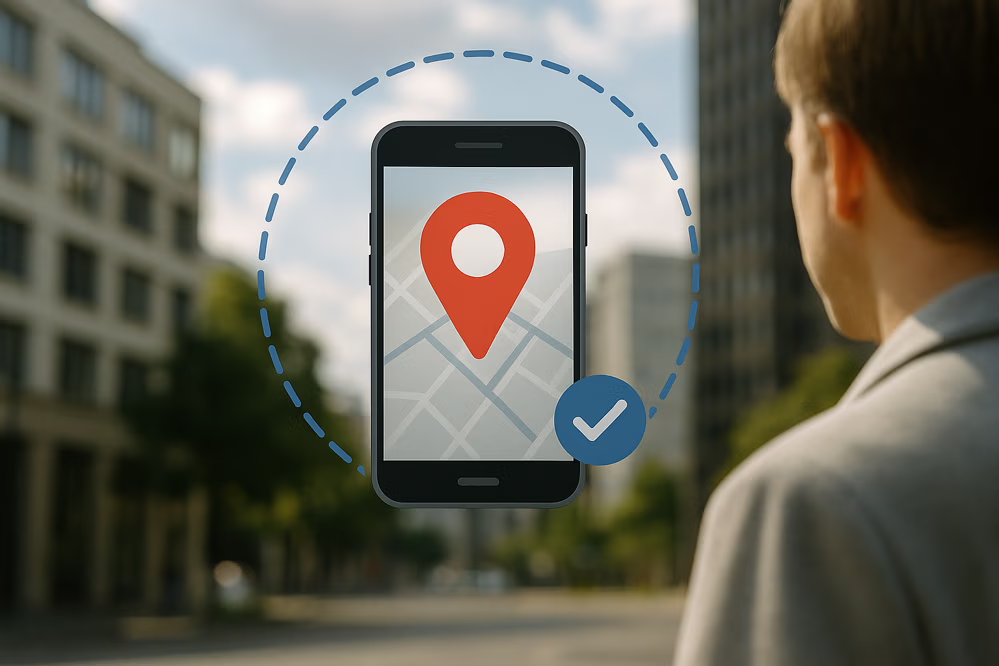
Draw a boundary around a block, a venue, or a competitor's parking lot. The phones that cross it start seeing your ads on the sites they read all week.
HOW THE FENCE WORKS
Draw a Boundary, Reach Everyone Who Crosses It
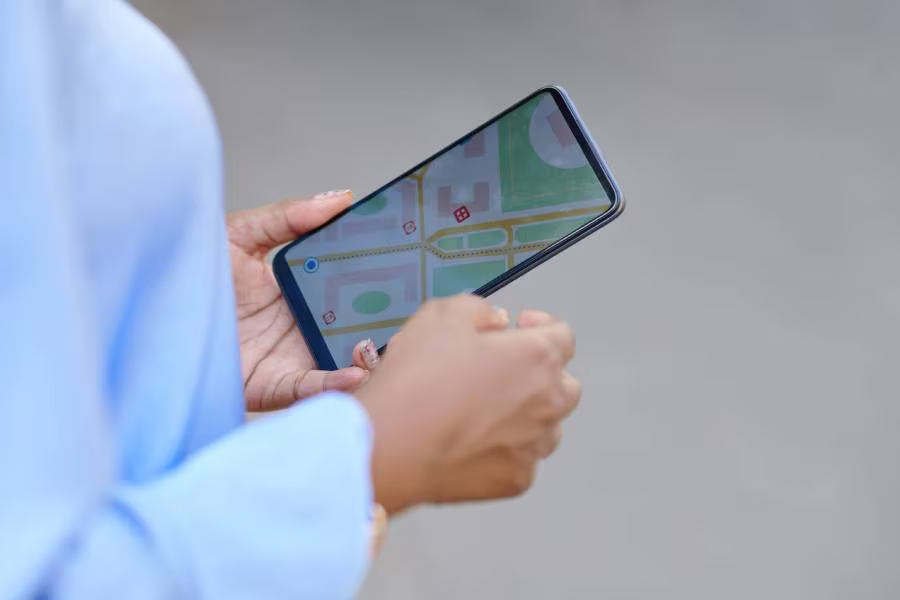
A geofence is a shape you draw on a map — a shopping centre in Century City, a gym in Culver City, the block around a competitor's showroom. When a phone enters that shape, it joins your audience, and your display ads start appearing on the news sites, weather apps and blogs that person already uses. The fence can stay up for months or run for a single weekend event. Because we also operate an indoor screen network across LA, we can fence the venues our screens already sit in, so the same person sees your brand on the screen in the room and again on their phone that evening.
Display Reaches People Before They Start Searching
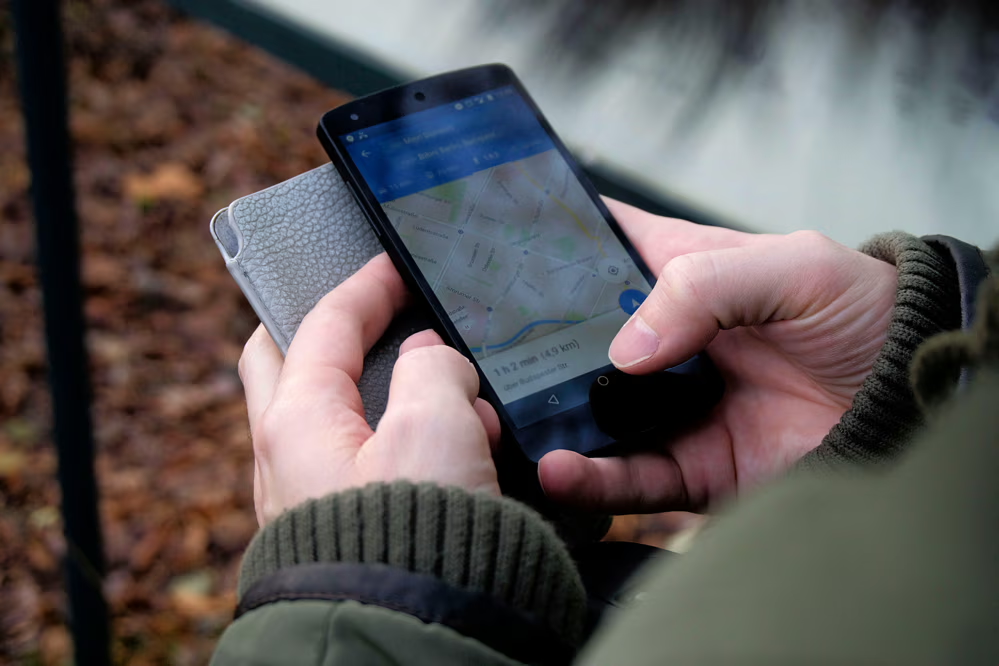
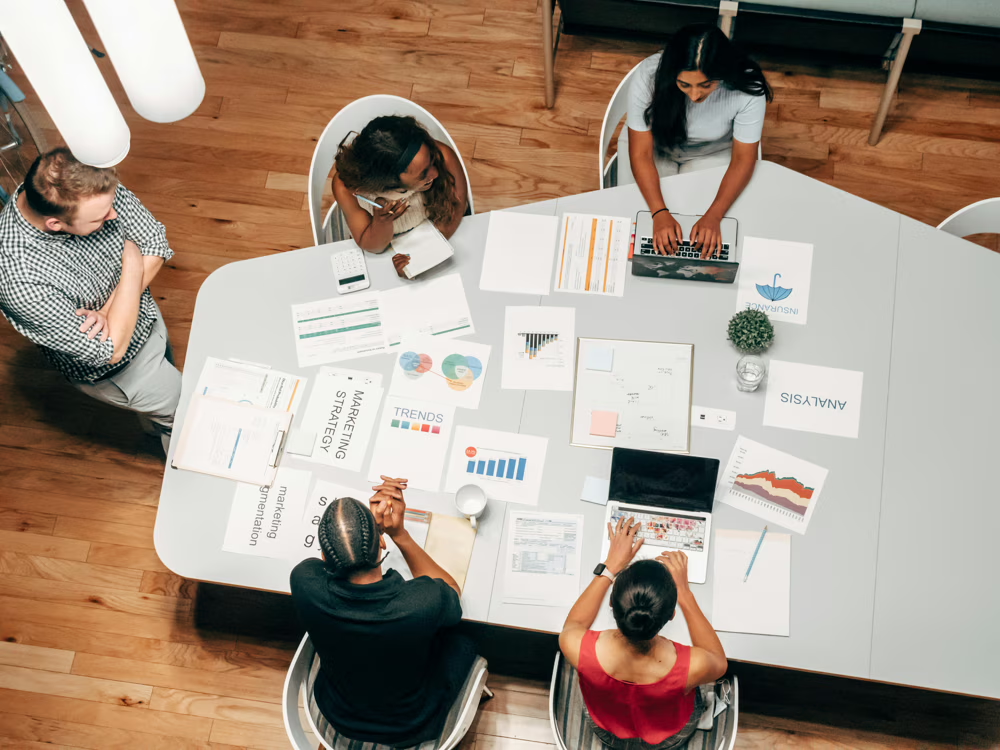
Search ads only find people already typing your service into Google. Display reaches everyone else — the ones who have not started looking yet, on the sites they visit between searches. Layer geofencing on top and you decide exactly which neighbourhoods of Los Angeles that happens in. Works hardest alongside indoor billboard advertising and social media, where the same face sees the same brand in three different places.
What a Geofence Actually Gets You
Four things this format does that broad display buying cannot.
Precision Targeting
Brand Awareness
Competitive Advantage
Real-Time Insights
How We Run a Geofencing Campaign
Four stages, and you see the map before anything goes live.
Strategy
We sit down with a map of Los Angeles and mark the addresses worth fencing — your location, the competitors, the venues and events your customers actually attend.

Execution
We build the ad creative in the sizes the ad exchanges require and switch the fences on. You approve the map and the artwork before a single impression runs.

Measure
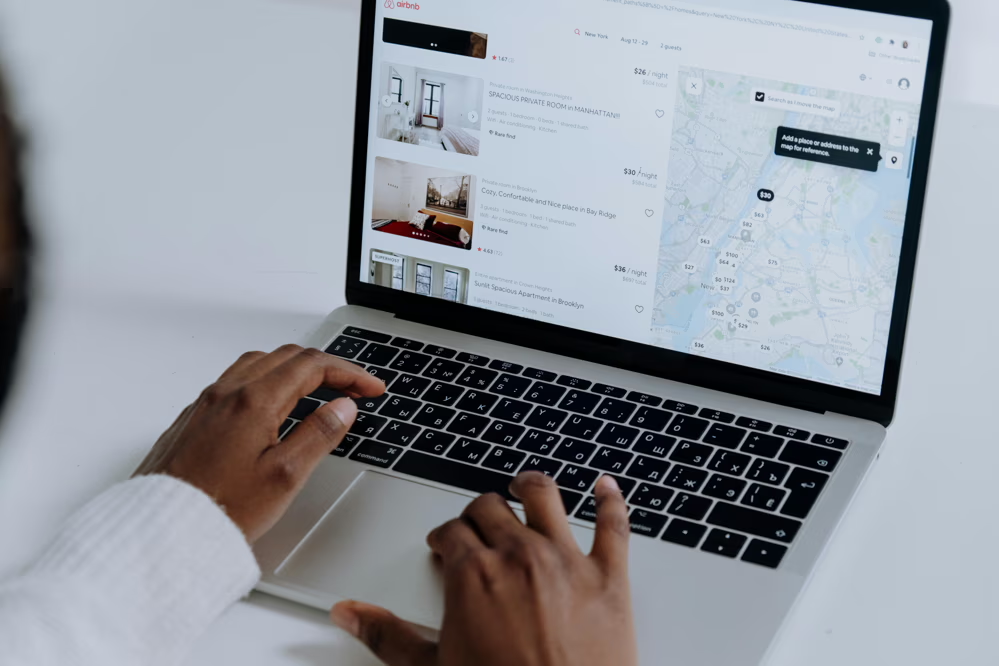
Reporting breaks results out fence by fence, so you can see that the Hermosa Beach boundary is pulling and the Torrance one is not.
Optimize
We redraw the fences that underperform, retire the creative that fatigues, and move spend toward whichever boundary is producing.
What Working With Hot Fry 360 Looks Like
We are a small LA shop. You deal with the people doing the work.
We Start With the Map
We Price It Plainly
We Build It
We Report Fence by Fence
We Redraw It
We Pick Up the Phone
WE'VE GOT ANSWERS
Geofencing Questions We Get Asked
1. How small can a geofence be?
2. Can I fence my competitor's location?
3. How long do people stay in the audience after entering a fence?
4. Do you need my customers' phone numbers or personal data?
5. Does this work with your indoor screens?
GET IN TOUCH
Contact Us Today
Ready to grow your business? Contact us for a free consultation and let's discuss how we can help you achieve your marketing goals.
Build a better
Ready to Elevate Your Digital Presence?
Partner with us to transform your marketing strategy and achieve measurable results. Let's create something amazing together.